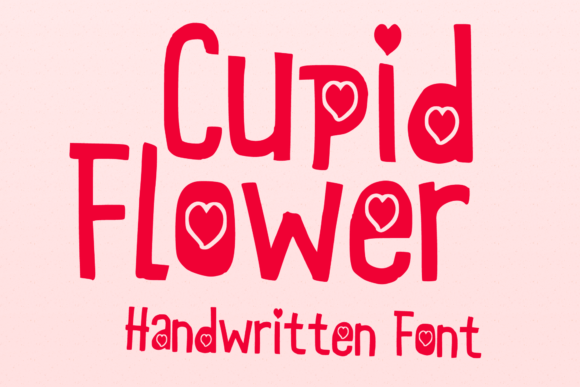
Cupid Flower Font for Handmade Creations
If you're looking for a font that adds charm and character to your handmade products, Cupid Flower is the perfect choice. This Valentine’s Day-inspired display font brings a playful yet elegant touch to everything from greeting cards to product labels. As a small shop owner who relies on typography to elevate my designs, I know how important it is to have a font that feels both stylish and functional.
Cupid Flower has a soft, whimsical look with gentle curves and a slightly decorative flair. It’s not overly ornate, which makes it ideal for a wide range of projects without overwhelming the design. Whether you're creating invitations, stickers, or digital printables, this font adds a personal and inviting feel that customers will notice.
Practical Uses for Cupid Flower in Craft Projects
The versatility of Cupid Flower means it can be used across many different mediums and materials. Here are just a few examples of how I’ve incorporated it into my work:
- Handmade Labels: I use Cupid Flower for labeling jars, candles, and handmade soaps. Its readability ensures that customers can easily see the product names, while the font’s charm adds a nice visual element.
- Greeting Cards: For special occasions like birthdays and anniversaries, I pair Cupid Flower with clean sans serif fonts to create a balanced and eye-catching layout.
- Invitations and Wedding Stationery: The font’s romantic vibe works well for wedding invites and welcome signs. It feels personal and heartfelt without being too cutesy.
- Wall Art and Planner Pages: Cupid Flower adds a decorative touch to printable wall art and planner pages, making them stand out in a way that feels unique and handcrafted.
- Product Packaging and Tags: When designing packaging for my boutique items, I rely on Cupid Flower to create tags and labels that feel cohesive and branded.
Readability and Design Considerations
While Cupid Flower is a display font, it's still quite readable when used appropriately. For smaller text like product descriptions or body copy, I recommend pairing it with a more legible sans serif or serif font. However, for titles, headings, and short phrases, it shines as a standout element.
I always test how the font looks on different materials before finalizing a design. When using Cupid Flower for cutting machines like Cricut or Silhouette, I find that it performs well on most surfaces, but I do check for any tricky letterforms that might cause issues during cutting.
For small stickers or product labels, I make sure to keep the text size large enough to remain legible. A mockup preview helps me see how the font will look once printed, which is especially useful when working with clients or planning a new product line.
Font Pairing Ideas for Creative Projects
One of the joys of working with display fonts like Cupid Flower is how they can complement other typefaces. Here are some pairing ideas that have worked well in my projects:
- Script Font + Clean Sans Serif: Combining Cupid Flower with a modern sans serif font creates a nice contrast between playful and professional.
- Bold Display Font + Simple Serif: Pairing Cupid Flower with a classic serif font gives a balanced look that’s great for branding and packaging.
- Handwritten Font + Minimalist Typeface: Using Cupid Flower alongside a minimalist font can give a personalized, handmade feel that appeals to a wide audience.
When experimenting with font pairings, I always consider the overall tone and purpose of the project. The goal is to create a design that feels cohesive and visually appealing, while also ensuring that the text remains easy to read.
Commercial Use and Licensing
If you plan to sell physical products, templates, or digital downloads that include Cupid Flower, it’s essential to check the font’s licensing terms. Most commercial fonts require a license that allows for resale or distribution of the final product, but not the font file itself.
I always ensure that the font I’m using is suitable for commercial use, especially when creating SVG files, printables, or merchandise. This helps avoid any legal issues down the line and ensures that my designs meet the standards required by marketplaces like Etsy or Shopify.
Additionally, checking if the font includes alternate characters, ligatures, or swashes can help enhance the design further. These features can add subtle details that make the final product feel more polished and professional.
Final Tips for Using Cupid Flower
To get the most out of Cupid Flower, I suggest experimenting with different colors, sizes, and layouts. It works beautifully in monochrome but also stands out when paired with bright, bold hues. Testing it on various backgrounds and materials can help you discover new ways to incorporate it into your work.
Remember, the key to successful design is balance—using Cupid Flower as a focal point rather than overloading a piece with too much text or decoration. Keep it simple, keep it readable, and let the font speak for itself.
Whether you’re crafting for personal use or selling your creations online, Cupid Flower is a valuable asset that can elevate your designs and help your brand stand out in a crowded marketplace.